Stainless Steel Coil Basic Knowledge: Material Forms and Industry Applications
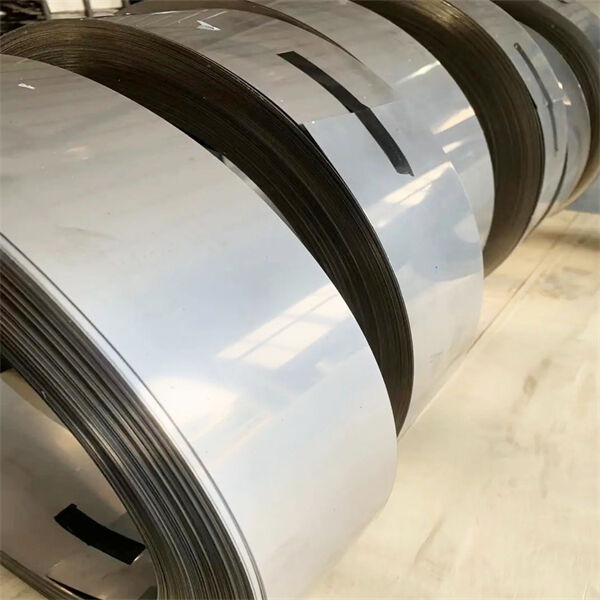
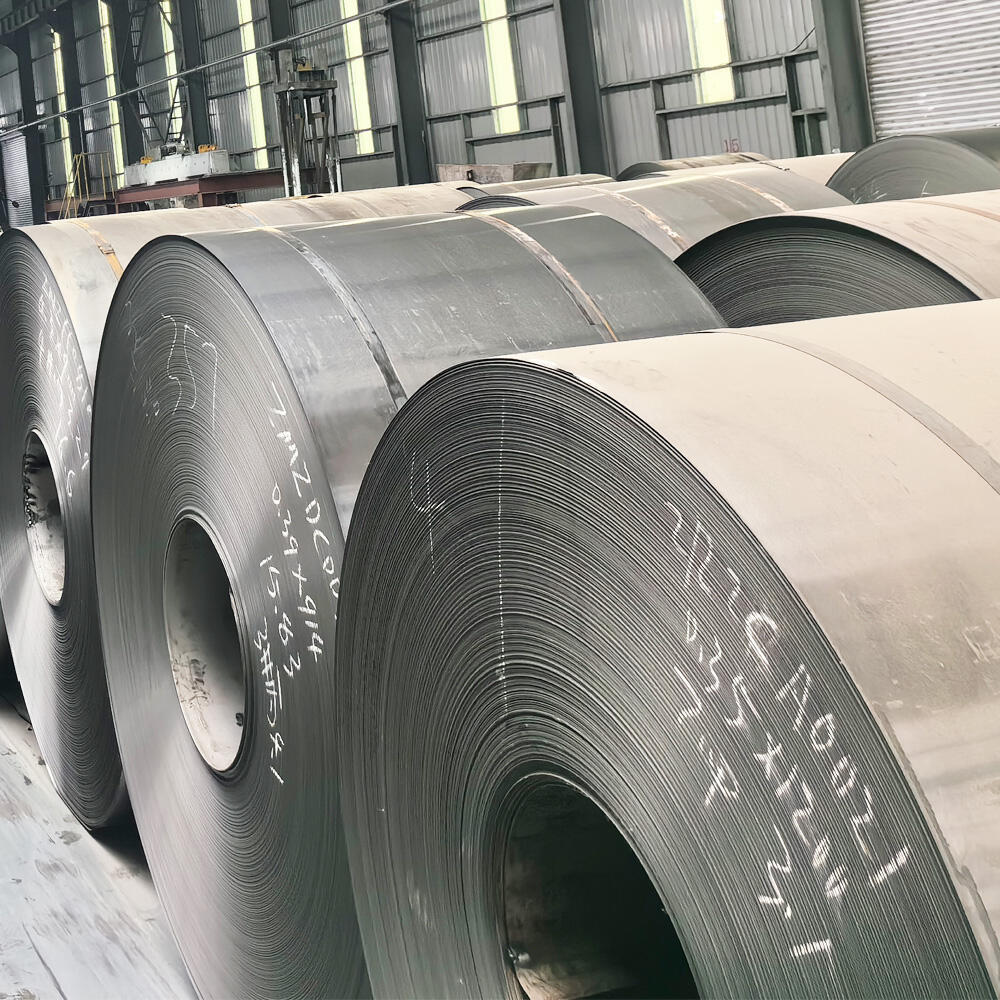
Stainless steel coils, as one of the most important basic materials in modern industry, are widely used in aerospace, automobile manufacturing, building decoration, food machinery, chemical equipment, and home appliance manufacturing. Stainless steel coils refer to continuous coil-shaped stainless steel materials produced through hot rolling or cold rolling processes. Compared with plates, they have significant advantages such as high production efficiency, high material utilization rate, and ease of automated processing.
Key Parameter Interpretation: Understanding the "Identity Card" of Stainless Steel Coils
1. Material Grade Selection
200 series: Manganese-substituted nickel, economical material, suitable for decorative pipes and low-requirement structural parts
304/304L series: General-purpose austenitic stainless steel, good corrosion resistance, accounting for more than 60% of market usage
316/316L series: Molybdenum-containing stainless steel, strong resistance to chloride ion corrosion, suitable for marine and chemical environments
430 series: Ferritic stainless steel, good thermal conductivity, suitable for home appliances and kitchenware
2. Surface Finish Grade
2B surface: Cold-rolled, heat-treated, and pickled, with a silver-white surface, most widely used in industrial applications
BA surface: Bright annealed treatment, highly reflective, used in high-end home appliances and elevator decoration
NO.4 surface: Polished surface with continuous grinding lines, commonly used in building decoration
HL surface: Brushed surface with continuous hairline lines, a preferred choice for modern decoration
3. Thickness and Width Specifications
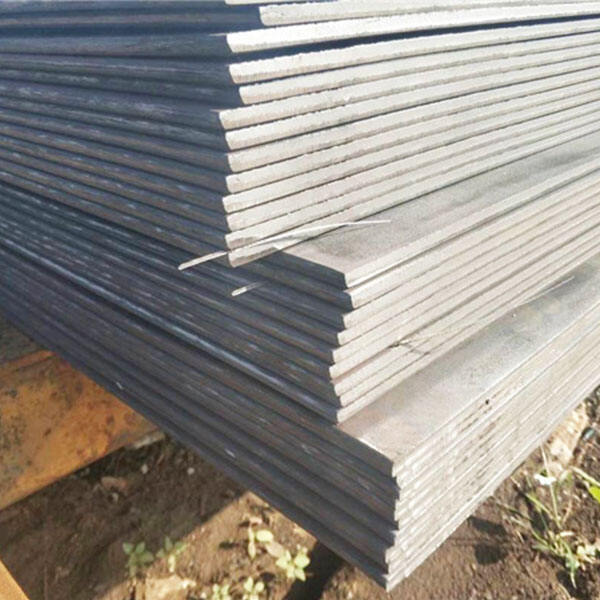
Conventional thickness: 0.3mm-6.0mm (cold rolled), 3.0mm-12.0mm (hot rolled)
Standard width: 1000mm, 1219mm, 1500mm, also available in custom slit widths
Coil weight range: Usually 3-20 tons, affecting transportation and processing equipment selection
Professional Selection Standards: Five Dimensions for Precise Evaluation
I. Usage Scenario Matching Assessment
Corrosion environment analysis:
Indoor dry environment: 304/2B can meet most needs
Humid environment (kitchen, bathroom): 304/BA or NO.4 surface is recommended
Highly corrosive environment (coastal areas, chemical plants): 316L material must be selected
Food contact environment: Must comply with GB standards 4806.9 Standard, 304 or 316 material recommended
Mechanical performance requirements:
Structural load-bearing components: Focus on yield strength and tensile strength
Deep-drawn products (sinks, cookware): Requires high elongation (≥40%), 304-DQ deep-drawing material recommended
Wear-resistant parts: Consider 430 or higher hardness martensitic stainless steel
II. Processing Adaptability
Stamping formability:
r-value (plastic strain ratio): Higher values indicate better deep-drawing performance
n-value (work hardening index): Affects material forming uniformity
Practical verification: Suppliers are required to provide test samples for trial stamping
Welding performance considerations:
304L has lower carbon content, resulting in better intergranular corrosion resistance after welding
430 stainless steel has poor welding performance and requires special processes
Products requiring high surface quality need surface treatment after welding
III. Cost-Effectiveness Optimization Strategies
Cost-performance balance techniques:
Material substitution options: Non-load-bearing decorative parts can use 201 instead of 304
Thickness optimization: Through structural design optimization, reducing thickness by 0.1mm while maintaining strength can save 5-8% in costs
Width utilization rate: Selection of... The coil width closest to the required product width minimizes scrap rate.
Procurement batch optimization: Combining reasonable inventory with timely procurement to balance capital occupation and unit price discounts.
IV. Quality Verification System
Key Testing Items:
Chemical composition analysis: Ensuring the material meets standards
Mechanical performance testing: Yield strength, tensile strength, elongation
Surface quality inspection: Surface finish, color difference, surface defects
Dimensional accuracy: Thickness tolerance, width tolerance, flatness
Supplier Evaluation Points:
Production capacity: Whether they have their own steelmaking, hot rolling, and cold rolling processes
Quality system: ISO9001, ISO14001 certification status
Industry reputation: Experience serving leading customers in the same industry
Technical support capabilities: Ability to provide material application solutions
V. Sustainability Considerations
Environmental Protection and Circularity:
Choosing materials that are 100% recyclable
Prioritizing local suppliers to reduce transportation carbon footprint
Considering the full life cycle cost of materials, not just the purchase price
Paying attention to the environmental friendliness of the material production process (e.g., pickling wastewater treatment)
Common Application Scenario Selection Recommendation Table
Application Area Recommended Material | Recommended Surface | Thickness Range | Key Performance Considerations
Kitchen Equipment | 304/304L | 2B/BA | 0.6-1.5mm | Corrosion resistance, easy cleaning, food grade
Building Curtain Walls | 304/316 | NO.4/HL | 1.5-3.0mm | Weather resistance, decorative appearance, strength
Elevator Decoration | 304 | HL/Titanium Gold | 1.0-2.0mm | Aesthetics, wear resistance, anti-fingerprint
Home Appliance Housings | 430/304 | 2B/BA | 0.5-1.2mm | Formability, aesthetics, cost
Chemical Containers | 316L | 2B | 2.0-6.0mm | Corrosion resistance, weldability, strength
Practical Procurement Advice: Full Process Management from Inquiry to Acceptance
Pre-Procurement Preparation
Clarify Technical Specifications: Develop a detailed material technical agreement
Sample Testing: Small-batch trials to verify material suitability
Supplier Screening: Select at least 3 qualified suppliers for comparison
Contract Signing Key Points
Clearly define quality standards and acceptance methods
Agree on tolerance ranges and handling solutions for deviations
Determine packaging and transportation standards to protect surface quality
Agree on after-sales service and technical support content
Arrival and Acceptance Process
Verify consistency between material certificate and physical markings
Randomly inspect dimensions such as thickness and width
Inspect surface quality, especially at the edges
If necessary, take samples and send them to a third-party testing agency
Future Trends and Innovative Materials
Development Trends:
High-strength thinning: Higher strength stainless steel for lightweighting
Surface functionalization: Antibacterial stainless steel, self-cleaning surface treatment
Environmentally friendly processes: Nitric acid-free pickling, low-temperature rolling technology
Digital procurement: Transparent and standardized procurement through platforms
New Material Options:
Duplex stainless steel: High strength, good corrosion resistance
High-nitrogen stainless steel: Superior mechanical properties and corrosion resistance
Composite materials: Composite panels of stainless steel and other materials
Conclusion: Systematic Thinking Determines Procurement Value
The selection of stainless steel coils is a systematic project that requires comprehensive consideration of technical, economic, supply chain, and other factors. Successful procurement decisions not only ensure product quality and production efficiency but also achieve cost optimization and value maximization throughout the entire lifecycle. We recommend that companies establish strategic partnerships with core suppliers, based on systematic material selection standards and supplier management systems, to jointly address market changes and technological challenges and achieve sustainable development.
Mastering scientific methods for selecting stainless steel coils is a crucial step in enhancing product competitiveness. We hope this guide will provide valuable reference for your purchasing decisions and help your company manufacture higher-quality, more competitive products.
 Hot News
2026-03-24
2026-03-18
2026-03-13
2026-03-06
2026-02-25
2026-02-09

 EN
EN
 AR
AR NL
NL FI
FI FR
FR DE
DE HI
HI IT
IT JA
JA KO
KO PL
PL PT
PT RU
RU ES
ES TL
TL ID
ID SK
SK SL
SL UK
UK VI
VI HU
HU TH
TH TR
TR MS
MS BE
BE HY
HY AZ
AZ KA
KA LA
LA MN
MN KK
KK TG
TG UZ
UZ KY
KY