Introduction:
In the world of galvanized coil processing, the choice between passivated and non-passivated coils significantly impacts product performance, lifespan, and application suitability. Understanding this key difference in galvanized coil performance is crucial for engineers, purchasers, and manufacturers. This article breaks down the characteristics and best uses of each type.
What is a Passivated Galvanized Coil?
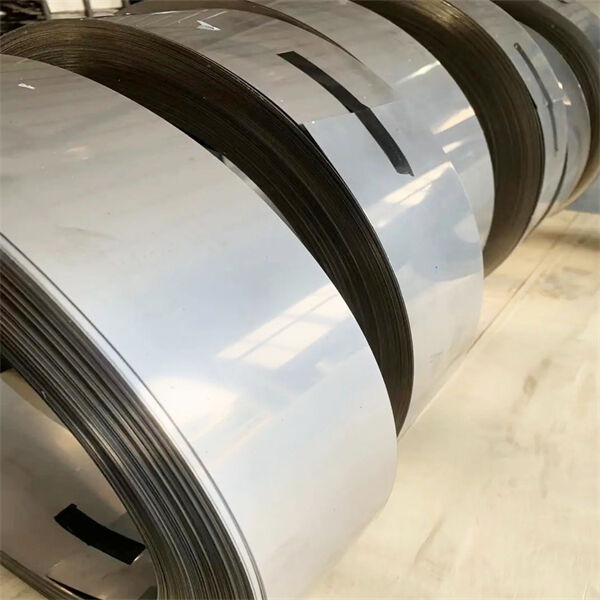
A passivated galvanized coil undergoes an additional chemical treatment after galvanizing. A thin, protective layer (often chromate or chromium-free) is applied to the zinc surface. This "passivation" process dramatically enhances corrosion resistance by creating a barrier that slows down the electrochemical reaction causing white rust (wet storage stain).
Key Advantages:
Superior Corrosion Resistance: Provides longer-lasting protection against rust, especially in high-humidity or mildly corrosive environments.
Enhanced Paint Adhesion: The passivation layer serves as an excellent base for subsequent painting or powder coating, a key reason for its use in home appliance galvanized coils.
Uniform Appearance: Delivers a more consistent, often slightly iridescent, surface finish.
Characteristics of Non-Passivated Galvanized Coils:
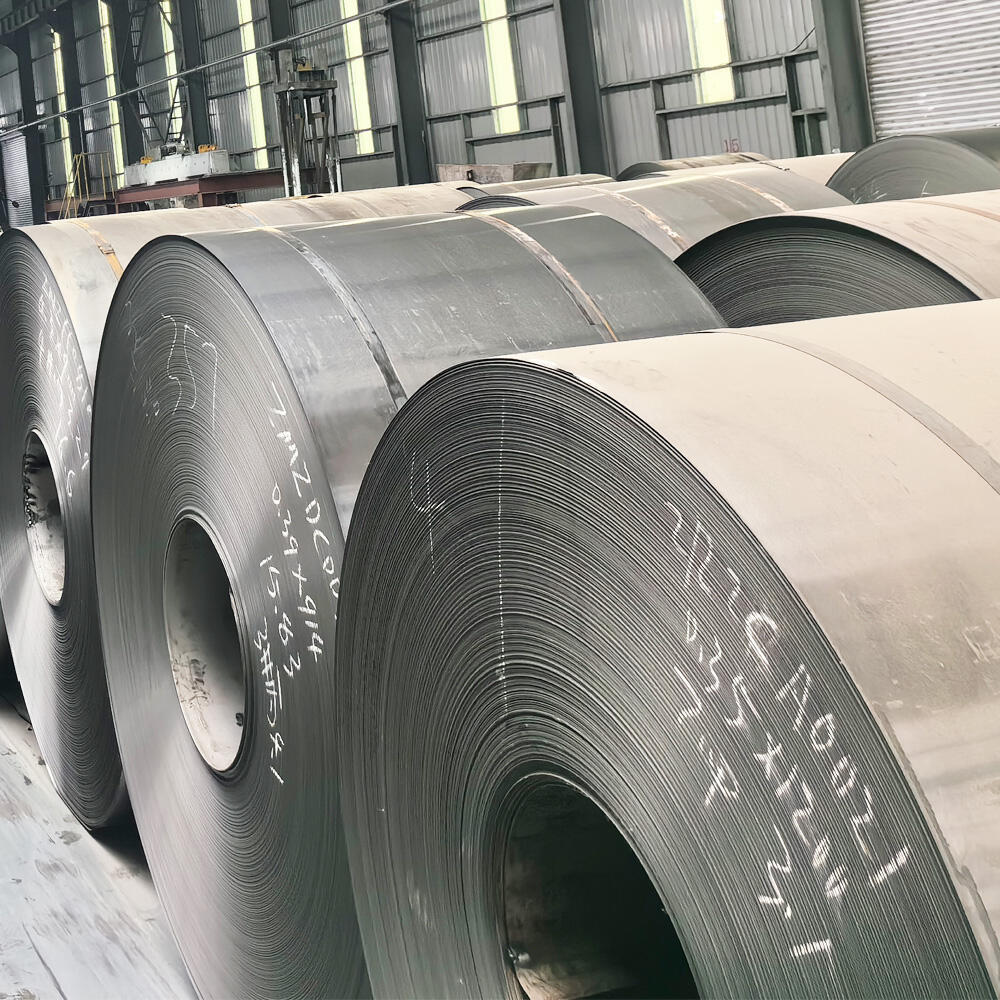
A non-passivated galvanized coil is supplied in its "bare" galvanized state, right after the zinc solidifies. Its characteristics include:
Bright/Spangled Appearance: Exhibits the classic shiny finish of pure zinc.
Fabrication-Friendly: The surface is optimal for certain types of welding or forming where a passivation layer might interfere.
Cost-Effective: Slightly lower cost by omitting the extra processing step.
Performance Differences and Applications:
The core performance difference lies in initial and long-term protection.
Choose Passivated Galvanized Coils when: The coils will be stored before use, require extended outdoor exposure before further processing, or are destined for painted end products like home appliance galvanized coils (appliances, HVAC units) and automotive parts.
Choose Non-Passivated Galvanized Coils when: The material will be immediately fabricated in a controlled environment, used for interior components, or where the natural zinc look is desired for architectural purposes.
Process Details and Selection Guidance:
This choice is a fundamental part of galvanized coil process detailing. For projects demanding maximum durability, such as those using high-zinc coating galvanized coils (e.g., Z275 and above), passivation is highly recommended to protect the investment in the thicker zinc layer.
Conclusion:
The decision between passivated and non-passivated galvanized coils is not about quality, but about application-specific performance. By aligning the coil's surface treatment with the end-use environment and fabrication steps, manufacturers can optimize product longevity, functionality, and cost. Always consult with your supplier to specify the correct type for your project.
 Hot News
2026-03-24
2026-03-18
2026-03-13
2026-03-06
2026-02-25
2026-02-09
 EN
EN
 AR
AR NL
NL FI
FI FR
FR DE
DE HI
HI IT
IT JA
JA KO
KO PL
PL PT
PT RU
RU ES
ES TL
TL ID
ID SK
SK SL
SL UK
UK VI
VI HU
HU TH
TH TR
TR MS
MS BE
BE HY
HY AZ
AZ KA
KA LA
LA MN
MN KK
KK TG
TG UZ
UZ KY
KY