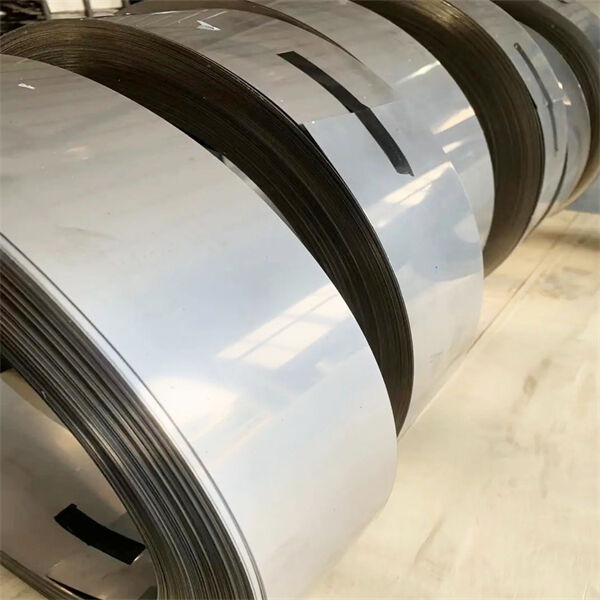
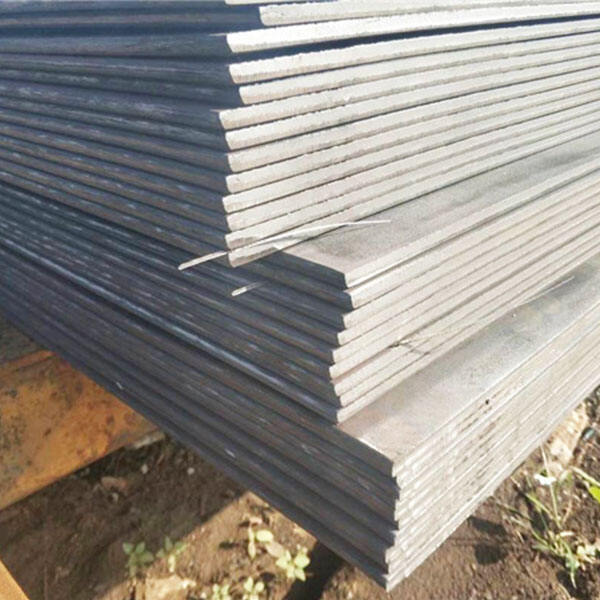
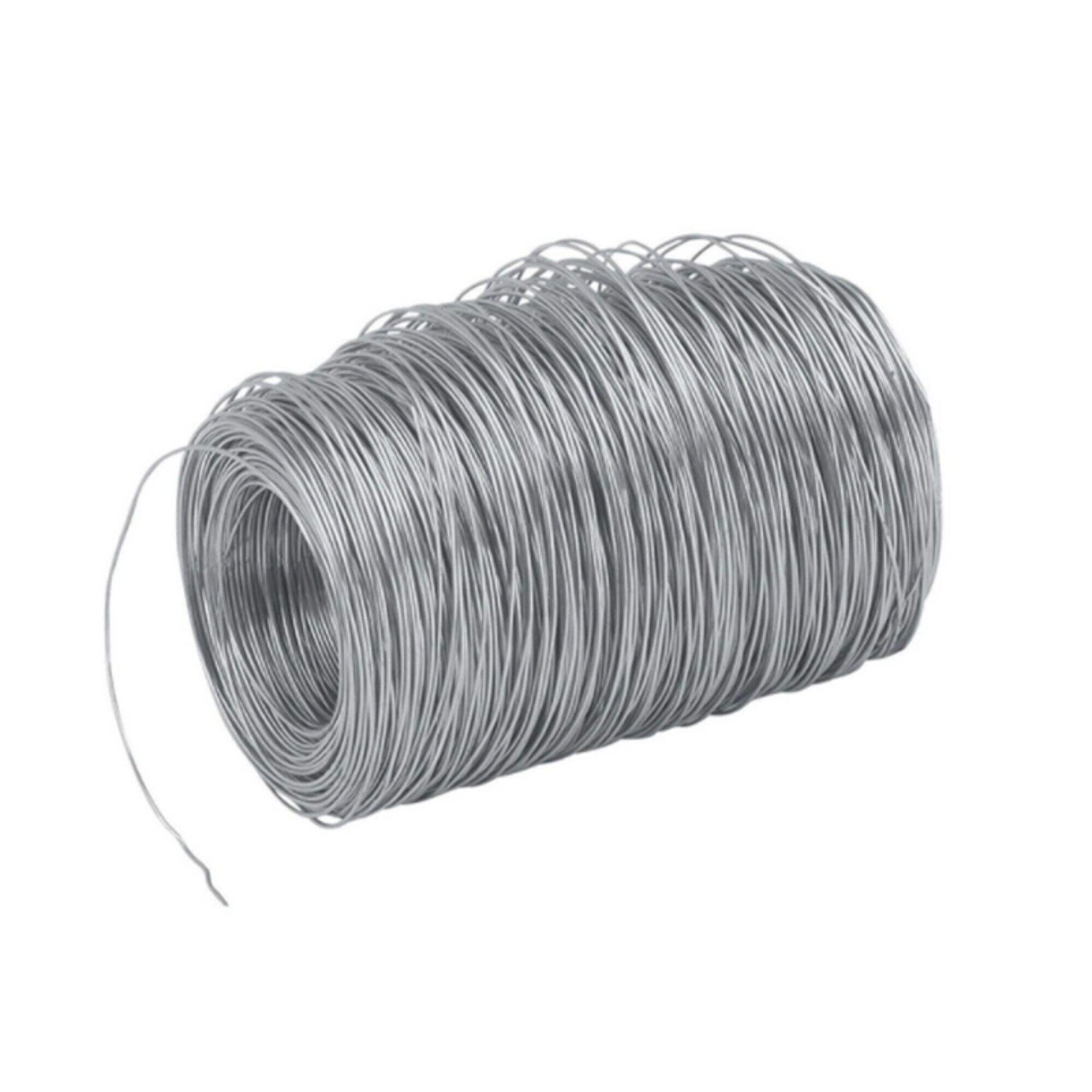
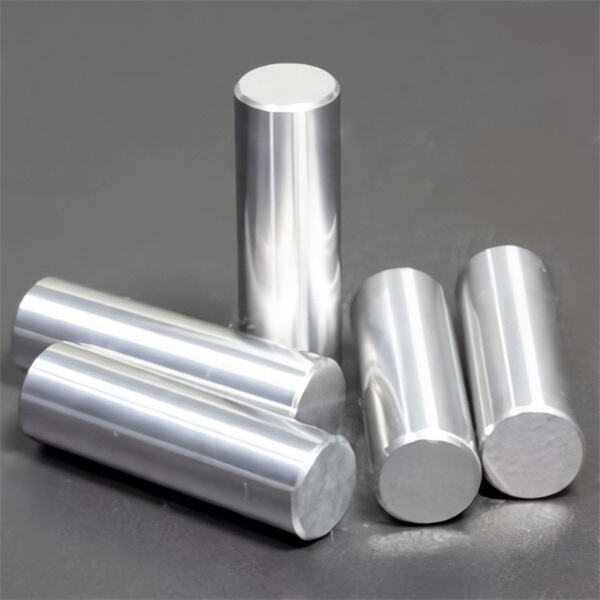
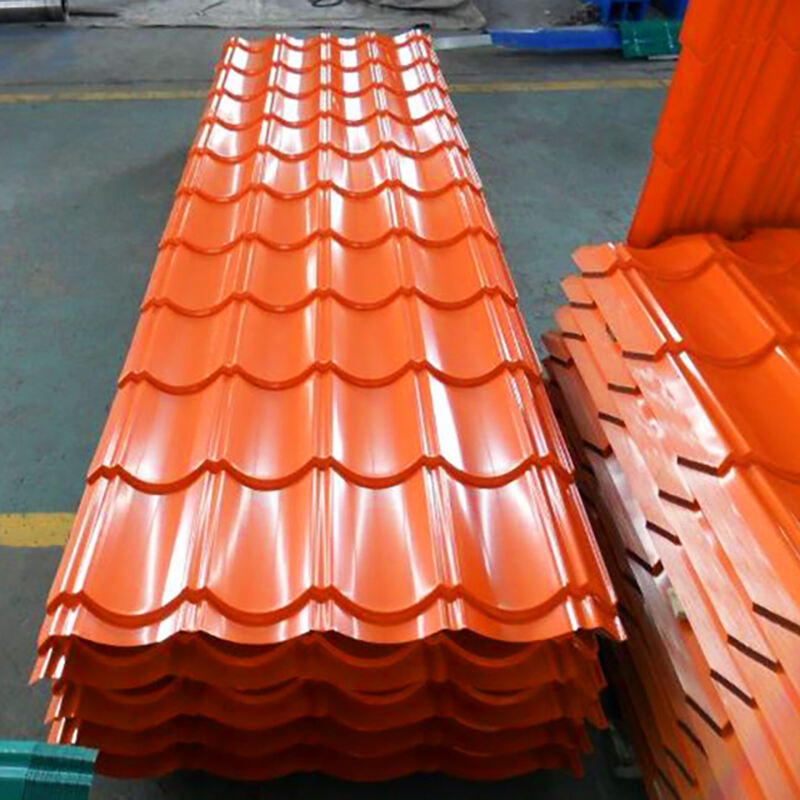
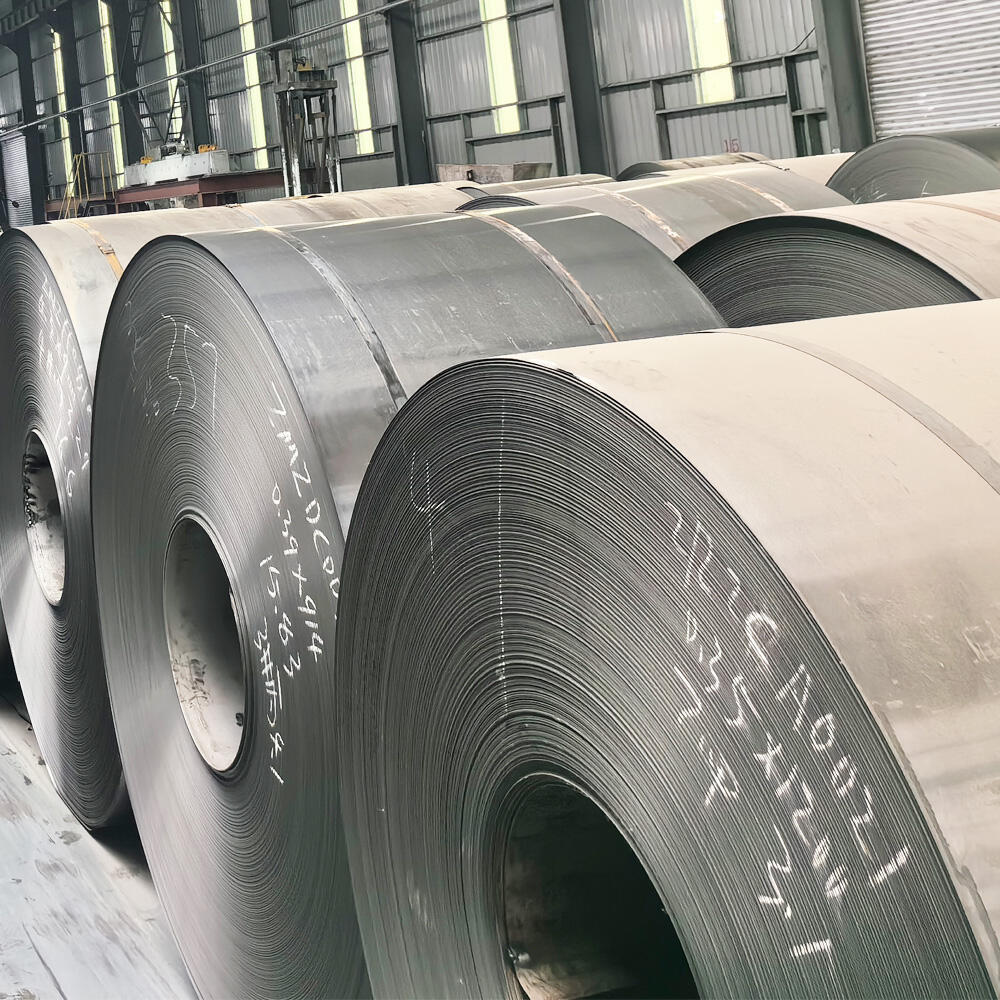
Aluminum coil sheet, as an important industrial material, is widely used in construction, transportation, packaging, and electronics due to its lightweight, corrosion resistance, and ease of processing. With various specifications and properties of aluminum coil sheets available on the market, how can you make the right choice based on your specific needs? This article will systematically introduce the key selection criteria for aluminum coil sheets, helping you make informed decisions during procurement. I. Core Material and Alloy Grade Selection
The performance of aluminum coil sheets primarily depends on their material and alloy grade, which is the basis for selection:
1. Pure Aluminum Series (1 Series)
Features: Good electrical and thermal conductivity, corrosion resistance, high plasticity, and relatively low strength
Typical grades: 1050, 1060, 1070, 1100
Applicable scenarios: Chemical containers with low strength requirements, internal components of electronic products, decorative materials, etc.
2. Aluminum-Magnesium Alloy Series (5 Series)
Features: Good corrosion resistance, weldability, and medium strength
Typical grades: 5052, 5083, 5754
Applicable scenarios: Shipbuilding, vehicle bodies, pressure vessels, architectural decoration
3. Aluminum-Manganese Alloy Series (3 Series)
Features: Excellent rust resistance and formability
Typical grades: 3003, 3004, 3005
Applicable scenarios: Kitchenware, kitchen and bathroom products, packaging materials, architectural decorative panels
4. Aluminum-Magnesium-Silicon Alloy Series (6 Series)
Features: Good overall performance, medium strength, and heat-treatable for strengthening
Typical grades: 6061, 6063
Applicable scenarios: Mechanical structural parts, mold manufacturing, precision parts
II. Thickness and Specification Selection
1. Thickness Range
Conventional range: 0.2mm-6.0mm (up to 8mm for special requirements)
Thin sheets (<1.0mm): Suitable for electronic components, packaging materials, etc.
Medium-thick sheets (1.0-3.0mm): Commonly used in architectural decoration and home appliance casings
Thick sheets (>3.0mm): Used in mechanical structures and special containers
2. Width Specifications
Conventional width: 800mm-2000mm
Selection basis: The effective processing width of downstream processing equipment, minimizing waste
3. Inner Diameter Selection
Common inner diameters: 508mm (20 inches), 405mm (16 inches), 300mm
Considerations: Matching with unwinding equipment to ensure smooth production
III. Surface Treatment Method Selection
Choose the appropriate surface treatment method based on the final application:
1. Original Color (Untreated)
Applicable Scenarios: Semi-finished products requiring further processing or coating
2. Anodizing Treatment
Advantages: Improved corrosion resistance, increased surface hardness, colorable
Applications: Electronic product casings, architectural decorative materials
3. Coating Treatment
Fluorocarbon Coating (PVDF): Excellent weather resistance, suitable for outdoor architecture (color retention for over 25 years)
Polyester Coating (PE): Good weather resistance, high cost-effectiveness (color retention for 8-10 years)
Epoxy Coating: Excellent adhesion and chemical resistance, suitable for special industrial environments
4. Embossing Treatment
Increases surface friction and improves visual effect
Common patterns: Orange peel pattern, diamond pattern, pointer pattern, etc.
IV. Performance Parameter Considerations
1. Mechanical Properties
Tensile strength, yield strength: Select according to load-bearing requirements
Elongation: Affects forming and processing performance
2. Corrosion Resistance
Select according to the operating environment (e.g., coastal areas, chemical plants)
5-series and 6-series alloys generally have better corrosion resistance
3. Formability
Evaluate bending, stamping, stretching, and other processing requirements
3-series and 5-series alloys usually have better formability
V. Application-Oriented Selection Suggestions
1. Architectural Decoration Field
Exterior curtain walls: Select 3003, 3004, 3005 alloys, thickness 1.5-3.0mm, fluorocarbon coating on the surface
Interior decoration: 5052 alloy is optional, thickness 0.8-2.0mm, polyester coating or anodizing on the surface
Roofing materials: Select 3004 alloy, thickness 0.6-1.2mm, weather-resistant coating treatment
2. Transportation Field
Truck bodies: Select 5083, 5454 alloys, thickness 2.0-4.0mm
Automotive parts: Select 5052, 5754 alloys, thickness 0.8-2.5mm
3. Packaging Materials
Easy-open cans: Choose 3004, 3104 alloys, thickness 0.28-0.32mm
Food packaging: Choose 8011, 8079 alloys, meeting food contact standards
4. Electronics and Electrical Appliances
Heat sinks: Choose 1050, 1070 pure aluminum, high thermal conductivity
Housing components: Choose 5052, 6061 alloys, good strength and formability
VI. Quality Inspection Standards
1. Appearance Quality
Surface flatness and gloss consistency
No scratches, dents, color differences, or other defects
Uniform coating thickness and qualified adhesion
2. Dimensional Accuracy
Thickness tolerance meets GB/T3880 or ASTM B209 standards
Width and length tolerances are within the allowable range
3. Performance Testing
Chemical composition analysis
Mechanical property testing
Corrosion resistance testing (salt spray test, etc.)
VII. Supplier Evaluation Points
Production capacity: Advanced equipment, maximum processing specifications
Quality system: Whether ISO9001 or other certifications are obtained
Technical strength: Ability to provide technical support and customized solutions
After-sales service: Delivery time, ability to handle quality disputes
Industry reputation: Past project cases and customer reviews
VIII. Cost-Benefit Analysis
When choosing aluminum coil sheets, you should not only focus on the unit price, but also consider comprehensively:
Material utilization rate: Choosing appropriate width and thickness to reduce waste
Processing costs: Easily processed materials can reduce subsequent manufacturing costs
Service life: Corrosion-resistant materials reduce maintenance and replacement frequency
Total cost of ownership: The cost of the entire lifecycle from procurement to disposal
Conclusion
Choosing the right aluminum coil sheet is a technical task that requires comprehensive consideration of multiple factors. It is recommended to clarify the final use, performance requirements, processing technology, and budget range before purchasing, and consult material experts or supplier technical personnel if necessary. Correct material selection can not only guarantee product quality but also optimize production costs and improve the market competitiveness of the final product.
In today's world where sustainable development is increasingly important, attention should also be paid to choosing aluminum coil sheet products that meet environmental protection standards and have a high recycling rate. This is both a commitment to social responsibility and in line with long-term economic interests.
 Hot News
2026-03-24
2026-03-18
2026-03-13
2026-03-06
2026-02-25
2026-02-09
 EN
EN
 AR
AR NL
NL FI
FI FR
FR DE
DE HI
HI IT
IT JA
JA KO
KO PL
PL PT
PT RU
RU ES
ES TL
TL ID
ID SK
SK SL
SL UK
UK VI
VI HU
HU TH
TH TR
TR MS
MS BE
BE HY
HY AZ
AZ KA
KA LA
LA MN
MN KK
KK TG
TG UZ
UZ KY
KY