Ruostumattomien teräskelojen perustietoja: materiaalimuodot ja teollisuussovellukset
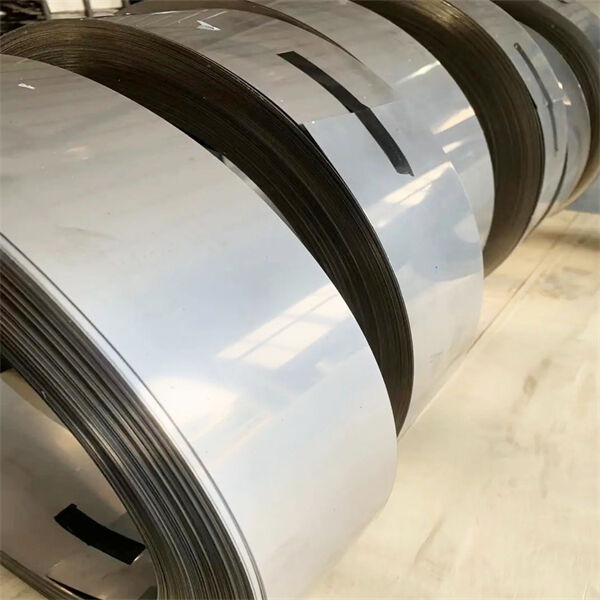
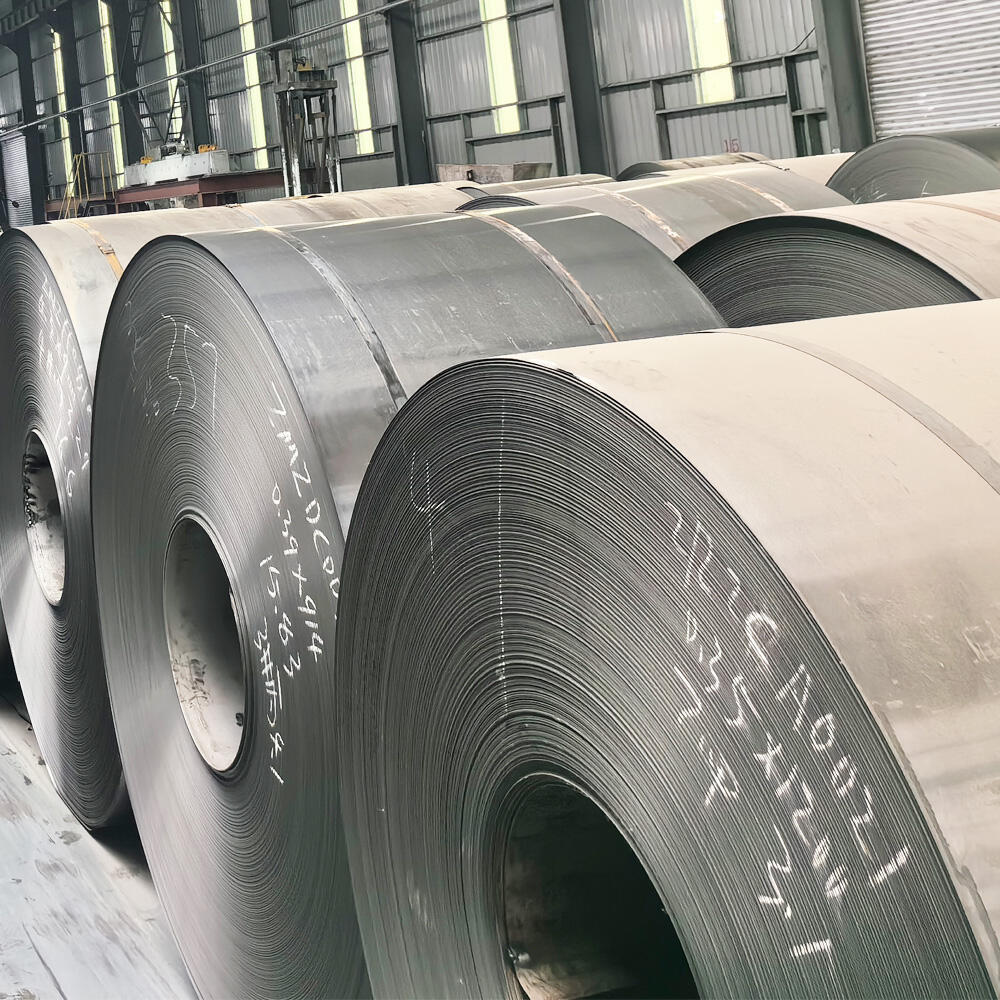
Ruostumattomat teräskelat ovat yksi modernin teollisuuden tärkeimmistä perusmateriaaleista, ja niitä käytetään laajalti ilmailussa, autoteollisuudessa, rakennusten koristeissa, elintarviketeollisuuden koneissa, kemiallisissa laitteissa ja kotitalouskoneiden valmistuksessa. Ruostumattomat teräskelat viittaavat jatkuvasti keloittuihin ruostumattoman teräksen materiaaleihin, jotka on valmistettu kuumavalssaus- tai kylmävalssausprosesseilla. Levyn verrattuna niillä on merkittäviä etuja, kuten korkea tuotantotehokkuus, korkea materiaalin hyötyaste ja automatisoidun prosessoinnin helppous.
Avaintekijöiden tulkinta: ruostumattomien teräskelojen "henkilöllisyystodistus"
1. Materiaalin laatuasteikon valinta
200-sarja: Nikkelin tilalle mangani, taloudellinen materiaali, soveltuu koristeputkiin ja vähäisempiä vaatimuksia asettaviin rakennepiiriin
304/304L-sarja: Yleiskäyttöinen austeniittinen ruostumaton teräs, hyvä korrosionkestävyys, muodostaa yli 60 % markkinoilla käytetystä määrästä
316/316L-sarja: Molybdeenipitoista ruostumatonta terästä, vahva kestoisuus kloridi-ionikorroosiolle, soveltuu meriympäristöön ja kemiallisiin olosuhteisiin
430-sarja: Ferritiittinen ruostumaton teräs, hyvä lämmönjohtavuus, soveltuu kotitalouskoneisiin ja keittiöastioihin
2. Pinnanlaatuasteikko
2B-pinta: Kylmävalssattu, lämpökäsittelyyn ja happokäsittelyyn (pickling) alisteinen pinta, hopeanvalkoinen, laajimmin käytetty teollisuussovelluksissa
BA-pinta: Kiiltävä lämpökäsittely (bright annealing), erinomainen heijastavuus, käytetään korkealuokkaisten kotitalouskoneiden ja hissien koristeissa
NO.4-pinta: Hiomalla valmistettu pinta jatkuvilla hiomaviivoilla, yleisesti käytetty rakennusten koristeissa
HL-pinta: Harjattu pinta jatkuvilla ohuilla viivoilla (hairline), suositeltava vaihtoehto moderniin koristeluun
3. Paksuus- ja leveysmääritykset
Tyypillinen paksuus: 0,3 mm–6,0 mm (kylmävalssattu), 3,0 mm–12,0 mm (kuumavalssattu)
Standardileveys: 1000 mm, 1219 mm, 1500 mm, myös saatavilla erikoisleikkauksessa mukautettuja leveyksiä
Kelapainoalue: Yleensä 3–20 tonnia, mikä vaikuttaa kuljetus- ja käsittelylaitteiden valintaan
Ammatilliset valintaperusteet: Viisi ulottuvuutta tarkkaan arviointiin
I. Käyttötilanteen vastaavuusarviointi
Korroosioympäristön analyysi:
Sisäinen kuiva ympäristö: 304/2B täyttää useimmat vaatimukset
Kostea ympäristö (keittiö, kylpyhuone): Suositellaan 304/BA- tai NO.4-pintaa
Erittäin korroosioaltis ympäristö (rannikkoalueet, kemikaaliteollisuus): On valittava 316L-materiaali
Ruokaturvallisuusympäristö: On noudatettava GB-standardia 4806.9 sekä suositeltavaa 304- tai 316-materiaalia
Mekaaniset suoritusvaatimukset:
Rakenteelliset kantavat osat: Keskitä huomiota myötämislujuuteen ja vetolujuuteen
Syvävetoprosessoidut tuotteet (pesualtaat, keittotavarat): Vaativat korkeaa venymää (≥ 40 %); suositellaan 304-DQ-syvävetomateriaalia
Kulumisvastaiset osat: Harkitse 430-martensiittista ruostumatonta terästä tai korkeampaa kovuutta omaavaa martensiittista ruostumatonta terästä
II. Käsittelysopeutuvuus
Painamismuovautuvuus:
r-arvo (muovautumisen muodonmuutosuhde): Korkeammat arvot osoittavat parempaa syvävetokykyä
n-arvo (kovettumisindeksi): Vaikuttaa materiaalin muovautumisen tasaisuuteen
Käytännön verifiointi: Toimittajilta vaaditaan testinäytteitä kokeelliseen painamiseen
Hitsausominaisuuksia koskevat harkinnat:
304L-teräksellä on alhaisempi hiilipitoisuus, mikä johtaa parempaan välikiteiseen korroosionkestävyyteen hitsauksen jälkeen
430-ruostumaton teräs on huono hitsattava ja vaatii erityisiä menetelmiä
Korkean pinnanlaatutason vaativat tuotteet vaativat pinnankäsittelyä hitsauksen jälkeen
III. Kustannustehokkuuden optimointistrategiat
Kustannus–suorituskykytasapainon hallintamenetelmät:
Materiaalin korvaamismahdollisuudet: Ei-kantavia koristekappaleita voidaan valmistaa 201-teräksestä sen sijaan, että käytetään 304-terästä
Paksuuden optimointi: Rakennesuunnittelun optimoinnilla paksuutta voidaan vähentää 0,1 mm:n verran säilyttäen lujuus, mikä säästää 5–8 % kustannuksista
Leveyden hyötyaste: Valitaan kelan leveys, joka on mahdollisimman lähellä vaadittua tuotteen leveyttä, jotta romuprosentti minimoidaan.
Ostotoiminnan erän koko optimointi: Yhdistetään kohtalaisen varastonpito ja aikataulutettu hankinta saavuttamaan tasapaino pääoman sitoutumisen ja yksikköhintojen alennusten välillä.
IV. Laadunvarmistusjärjestelmä
Tärkeimmät testikohteet:
Kemiallinen koostumusanalyysi: varmistetaan, että materiaali täyttää standardit
Mekaanisen suorituskyvyn testaus: myötölujuus, vetolujuus, venymä
Pinnan laatuinspektio: pinnanlaatu, väriero, pinnan virheet
Mitallinen tarkkuus: paksuustoleranssi, leveystoleranssi, tasaisuus
Toimittajien arviointipisteet:
Tuotantokapasiteetti: onko heillä oma teräksenvalmistaus-, kuumavalssaus- ja kylmävalssausprosessi
Laatujärjestelmä: ISO 9001- ja ISO 14001-sertifiointitila
Alan maine: kokemus saman alan johtavien asiakkaiden palvelemisesta
Teknisen tuen kyvyt: Kyky tarjota materiaalikäyttöratkaisuja
V. Sustainabiliteettinäkökohdat
Ympäristönsuojelu ja kierrätys:
Materiaalien valinta, jotka ovat täysin kierrätettäviä
Paikkojen toimittajien etusijan antaminen liikennepäästöjen vähentämiseksi
Materiaalien koko elinkaaren kustannusten huomioon ottaminen, ei pelkästään ostohintaa
Materiaalin tuotantoprosessin ympäristöystävällisyyden huomioon ottaminen (esim. happokäsittelyn jätevesien käsittely)
Yleisten käyttötilanteiden valintasuositustaulukko
Käyttöalueeseen suositeltava materiaali | Suositeltava pinnankäsittely | Paksuusalue | Tärkeimmät suorituskykyyn vaikuttavat tekijät
Keittiölaitteet | 304/304L | 2B/BA | 0,6–1,5 mm | Korroosionkestävyys, helppokäyttöisyys, ruokatuotteisiin soveltuvuus
Rakennuksen verhousseinät | 304/316 | NO.4/HL | 1,5–3,0 mm | Säänkestävyys, koristeellinen ulkonäkö, lujuus
Hissin koristelu | 304 | HL/titaanikulta | 1,0–2,0 mm | Esteettisyys, kulumisvastus, sormenjälkien estäminen
Kotitalouslaitekoteloitukset | 430/304 | 2B/BA | 0,5–1,2 mm | Muovattavuus, esteettisyys, hinta
Kemikaalialtaat | 316L | 2B | 2,0–6,0 mm | Korrosionkestävyys, hitsattavuus, lujuus
Käytännöllisiä hankintaneuvoja: Kokonaisprosessin hallinta kysynnästä vastaanottoon
Hankintojen valmistelu
Teknisten vaatimusten selkeyttäminen: Yksityiskohtaisen materiaaliteknisen sopimuksen laatiminen
Näytetestaaminen: Pieniä eriä käytetään materiaalin soveltuvuuden varmistamiseen
Toimittajien valinta: Vähintään kolmen pätevän toimittajan valinta vertailua varten
Sopimuksen allekirjoittamisen keskeiset kohdat
Määritellä laatuvaatimukset ja hyväksyntämenetelmät selkeästi
Sopia toleranssialueet ja poikkeamien käsittelyratkaisut
Määrittää pakkaus- ja kuljetusstandardit pinnanlaadun suojaamiseksi
Sopia jälkimarkkinapalvelun ja teknisen tuen sisältö
Saapumis- ja hyväksyntäprosessi
Tarkistaa materiaalitodistuksen ja fyysisten merkintöjen yhtenevyys
Tarkistaa satunnaisesti mittoja, kuten paksuutta ja leveyttä
Tarkistaa pinnanlaatua, erityisesti reunoilla
Tarvittaessa otetaan näytteitä ja lähetetään ne kolmannen osapuolen testauslaitokseen
Tulevaisuuden trendit ja innovatiiviset materiaalit
Kehityssuuntatrendit:
Korkealujuuspienennys: Korkealujuista ruostumatonta terästä kevennetyille rakenteille
Pinnan funktionalisointi: Antibakteerinen ruostumaton teräs, itsepuhdistuvat pintakäsittelyt
Ympäristöystävälliset prosessit: Typpihappovapaa haponpesu, alhaisen lämpötilan valssaus
Digitaalinen hankinta: Läpinäkyvä ja standardoitu hankinta alustojen kautta
Uudet materiaalivaihtoehdot:
Duplex-ruostumaton teräs: Korkea lujuus ja hyvä korrosiorestitanssi
Korkeatyppisen ruostumaton teräs: Erinomaiset mekaaniset ominaisuudet ja korrosiorestitanssi
Komposiittimateriaalit: Ruostumattomasta teräksestä ja muista materiaaleista valmistetut komposiittilevyt
Johtopäätös: Systemaattinen ajattelu määrittää hankintarajojen arvon
Ruostumattomien teräsreikäkelojen valinta on systemaattinen hanke, joka vaatii kattavaa harkintaa teknisten, taloudellisten, toimitusketjuun liittyvien ja muiden tekijöiden osalta. Onnistuneet hankintapäätökset varmistavat paitsi tuotteen laadun ja tuotannon tehokkuuden myös kustannusten optimoinnin ja arvon maksimoinnin koko elinkaaren ajan. Suosittelemme, että yritykset perustavat strategisia kumppanuuksia ydintoimittajien kanssa systemaattisten materiaalivalintastandardien ja toimittajien hallintajärjestelmien pohjalta, jotta yhdessä voidaan vastata markkinoiden muutoksiin ja teknologisiin haasteisiin sekä saavuttaa kestävää kehitystä.
Tieteellisten menetelmien hallitseminen ruostumattomien teräsreikäkelojen valinnassa on ratkaisevan tärkeä askel tuotteen kilpailukyvyn parantamisessa. Toivomme, että tämä opas tarjoaa arvokasta viitetta hankintapäätöksiinne ja auttaa yritystänne valmistamaan korkealaatuisempia ja kilpailukykyisempiä tuotteita.
 Uutiset
2026-03-24
2026-03-18
2026-03-13
2026-03-06
2026-02-25
2026-02-09
 EN
EN
 AR
AR NL
NL FI
FI FR
FR DE
DE HI
HI IT
IT JA
JA KO
KO PL
PL PT
PT RU
RU ES
ES TL
TL ID
ID SK
SK SL
SL UK
UK VI
VI HU
HU TH
TH TR
TR MS
MS BE
BE HY
HY AZ
AZ KA
KA LA
LA MN
MN KK
KK TG
TG UZ
UZ KY
KY