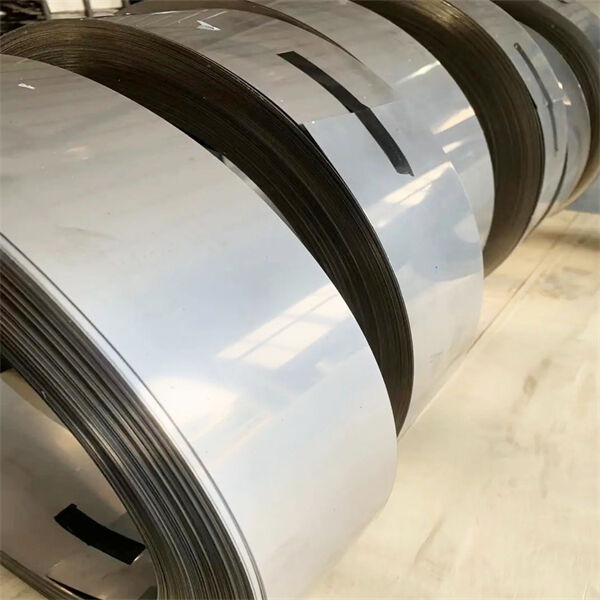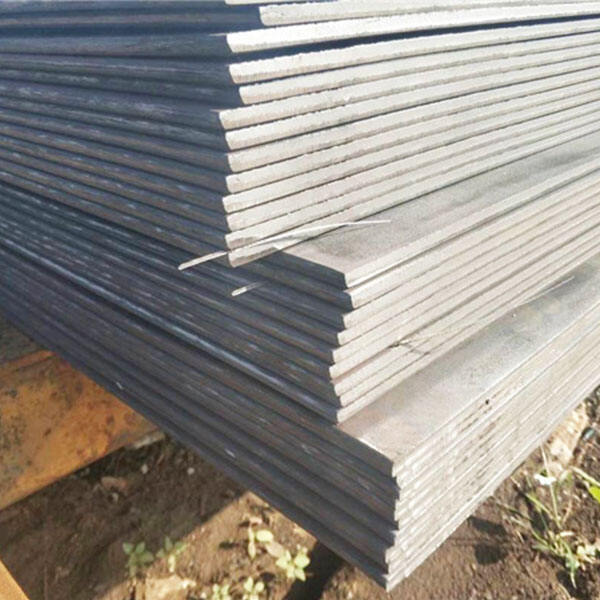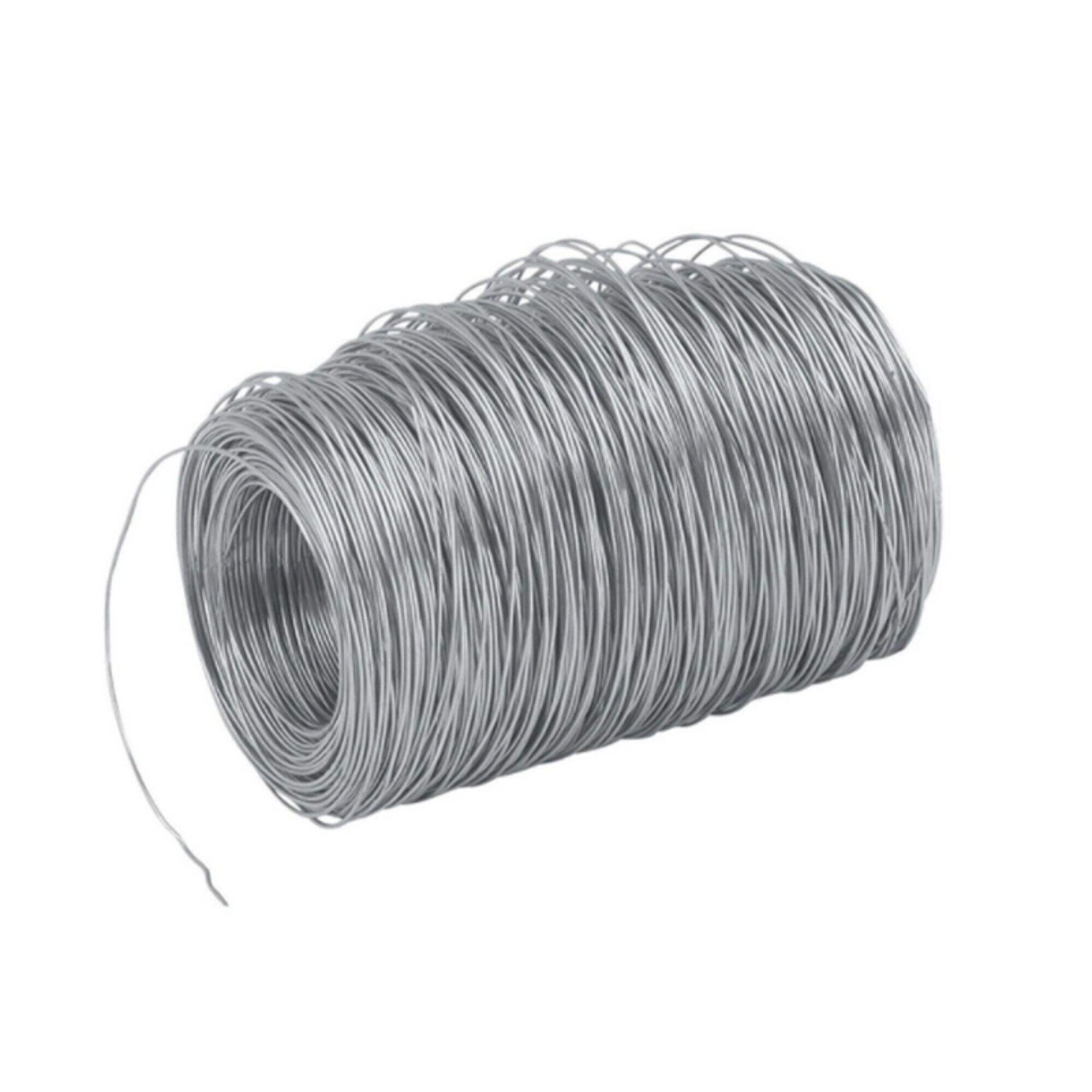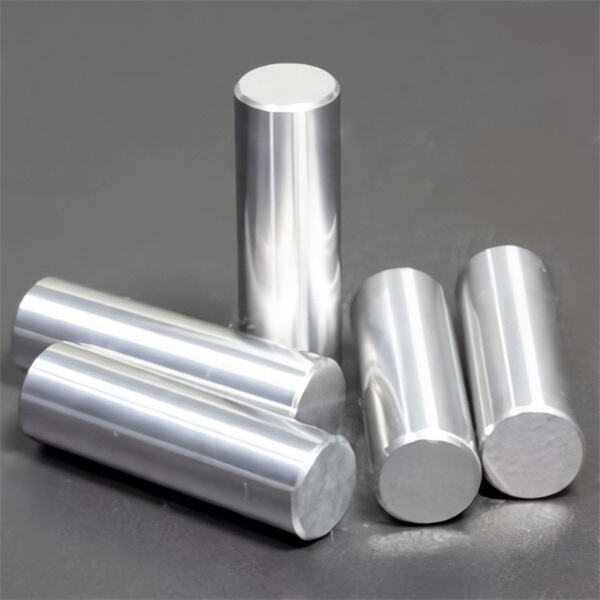
Алюминийн цуглуулга нь орчин үеийн үйлдвэрлэл ба барилгын чухал суурь материал юм. Алюминийн цуглуулгын шинж чанарын шинжилгээний шүүмжлэл напрямую нөлөөлдөг төсөлд чачирхай, хөрөнгө оруулалтын үр дүнтэй бүтээмжид.
I. Материалын ажиллах чадварын матриц: Зургаан төлөөвөр параметр хэрэглээний чиглэлийг тодорхойлдог
1. Хавсаргын сорт сонгох: Ажиллах чадварын генетик код
1-р цуврал (цэвэр алюминийн цуврал): 1060/1100, цэвэр алюминийн агууламж ≥99%, онцгой коррозион төдийлөгч чадвар, сайн хуурайшмүүрлэх чадвар, үндсэн хүч таарахгүй химийн сав, утас, бүүрэлдүүр зэрэг хэрэглээд тохиромжтой.
3 Цуврал (Манганы хавсрегт): 3003/3004, 1 цувралаас 20% илүү хүчтэй, төвөгтэй нөхцөлд коррозид төвөгтэй бүтээмжийн тэнцвэр, газрын дээрх хавтангууд ба охин хоолны бүтээгдэхүүнүүдийн хувьд классик сонголт.
5 Цуврал (Магнийн хавсрегт): 5052/5083, далайн усанд коррозид түүнд төвөгтэй бүтээмж, сайн холбогч чанар, онгоц бүтээх, төвөгтэй төхөөрөмж бүтээх үйлдвэрлэлд хамгийн тохиромжтой сонголт.
6 Цуврал (Магний-Силицийн хавсрегт): 6061, халуун хүчдүүрлүүрт хатуужуулж болох, нийтдээ онцгой ажиллаж бүтээмж, механик бүтэц хэсгүүдийн хувьд өргөн хэрэглэдэг.
2. Хатуулагдлын тэмдэглэл: Материалын дотоод төлөв.
O хатуулагдлын тэмдэглэл (Халуун хүчдүүрлүүрт хатуужуулж болох): Бүтнэд хялгас, хамгийн өндөр сунаж бүтээмж, гүн татахад тохиромжтой.
H хатуулагдлын тэмдэглэл (Ажилд хатуужуулж болох): H14 — хагас хатуу төлөв, H18 — бүтнэд хатуу төлөв, хатуулагдлын зэрэг нэмэгдэж, хэлбэр өөрчлөх чадвар буурна.
T хатуулагдлын тэмдэглэл (Халуун хүчдүүрлүүрт хатуужуулж болох): T6 — шууд халуун хүчдүүрлүүрт хатуужуулж, уисаар хатуужуулж, хамгийн өндөр хүчтэй бүтээмж үүсгэнэ.
3. Зузааны зөрүү: Нарийн нарийвчлалын хэмжээ
Барилгын алюминийн цуглуулгын зузаан нь ихэвчлэн 0.5–3.0 мм бөлгөн, үйлдвэрлэлийн хэрэглээд 6 мм-с дээш хүрдөг. Чухал хэрэглээд GB/T 3880 стандартын дагуу А ангилалын зөөрүү (±0.05 мм) шаардлагатай.
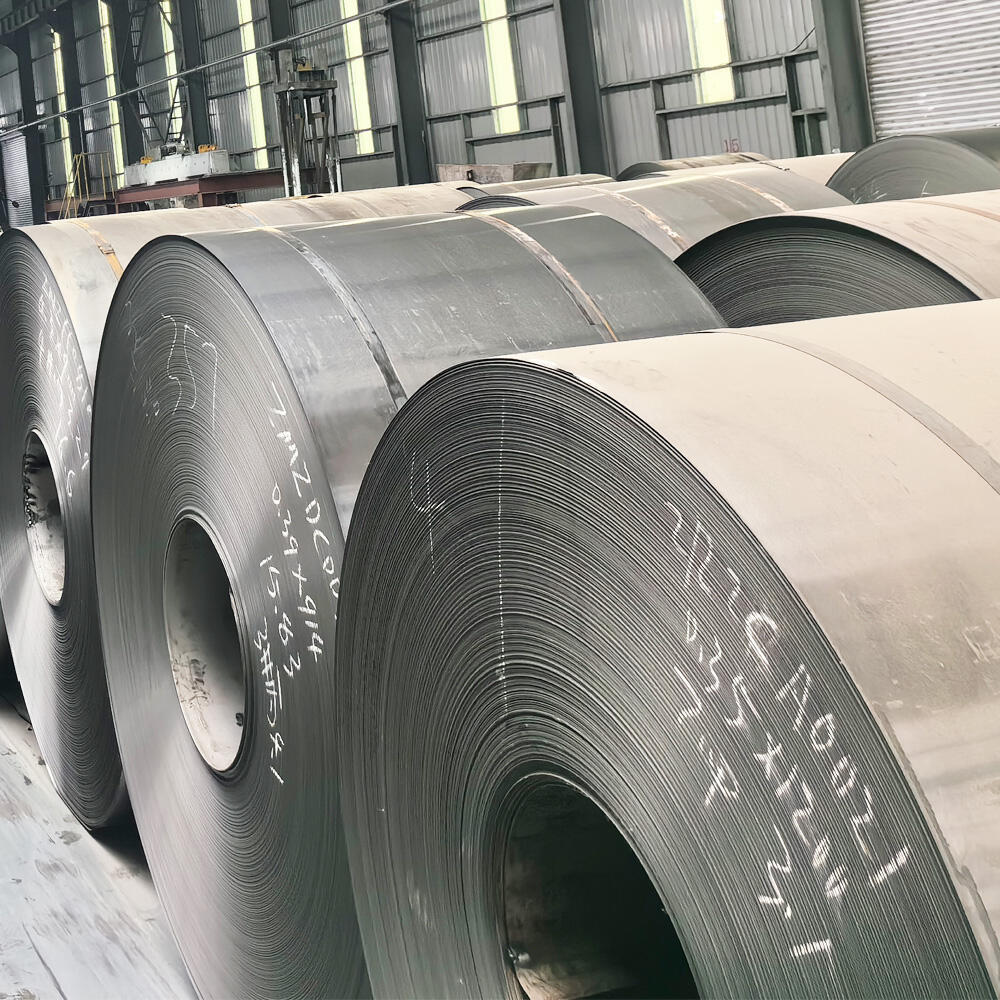
4. Өргөн ба дотоод диаметр: Боловсруулалтын төхөөрөмжтүүн тааруулж бүтээх
Стандарт өргөн: 1000 мм, 1220 мм, 1500 мм
Стандарт дотоод диаметр: 508 мм (20 инч) эсвэл 610 мм (24 инч), түүн дээрх бүрхүүлийг тайрах төхөөрөмжтэй нийцмүүр байх ёстой
5. Гадаргуугийн бүрхүүл: Тэнцвэртүүдийн ба дүрслэх уралдааны функцүүдийн хоорондын тэнцвэр
Аноджуулалт: Коррозион ба хүртэмүүрт төвөгтүүдийн төвөгтүүдийн төвөгтүүдийн төвөгтүүдийн төвөгтүүдийн төвөгтүүдийн төвөгтүүдийн төвөгтүүдийн төвөгтүүдийн төвөгтүүдийн төвөгтүүдийн төвөгтүүдийн төвөгтүүдийн төвөгтүүдийн төвөгтүүдийн төвөгтүүдийн төвөгтүүдийн төвөгтүүдийн төвөгтүүдийн төвөгтүүдийн төвөгтүүдийн төвөгтүүдийн төвөгтүүдийн төвөгтүүдийн төвөгтүүдийн төвөгтүүдийн төвөгтүүдийн төвөгтүүдийн төвөгтүүдийн төвөгтүүдийн төвөгтүүдийн төвөгтүүдийн төвөгтүүдийн төвөгтүүдийн төвөгтүүдийн төвөгтүүдийн төвөгтүүдийн төвөгтүүдийн төвөгтүүдийн төвөгтүүдийн төвөгтүүдийн төвөгтүүдийн төвөгтүүдийн төвөгтүүдийн төвөгтүүдийн төвөгтүүдийн төвө......
Бүрхүүлүүдийн бүрхүүл: PVDF фторкарбон бүрхүүл хамгийн сайн цаг агаарын төвөгтүүдийн төвөгтүүдийн төвөгтүүдийн төвөгтүүдийн төвөгтүүдийн төвөгтүүдийн төвөгтүүдийн төвөгтүүдийн төвөгтүүдийн төвөгтүүдийн төвөгтүүдийн төвөгтүүдийн төвөгтүүдийн төвөгтүүдийн төвөгтүүдийн төвөгтүүдийн төвөгтүүдийн төвөгтүүдийн төвөгтүүдийн төвөгтүүдийн төвөгтүүдийн төвөгтүүдийн төвөгтүүдийн төвөгтүүдийн төвөгтүүдийн төвөгтүүдийн төвөгтүүдийн төвөгтүүдийн төвөгтүүдийн төвөгтүүдийн төвөгтүүдийн төвөгтүүдийн төвөгтүүдийн төвөгтүүдийн төвөгтүүдийн төвөгтүүдийн төвөгтүүдийн төвөгтүүдийн төвөгтүүдийн төвөгтүүдийн төвөгтүүдийн төвөгтүүдийн төвөгтүүдийн төвөгтүүдийн төвөгтүүдийн төвөгтүүдийн төвө......
Урьдчилан бүрхүүлүүдийн процесс: Бүрхүүлүүдийн нэдүүдлүүдийн харьцуулалт пост-бүрхүүлүүдийн харьцуулалтаас дээр, том дундаж худалдаа зориулж тохиромжтой
6. Механик шинж чанарууд: Хүчний илтгэлчүүдийн тоон утга
Жишээ нь 5052-H32:
Сунах хүч ≥ 230 МПа
Үүрдүүлэх хүч ≥ 180 МПа
Сунаж уртсах хувь ≥ 8%
II. Хэрэглээний сценарууд ба материалт тохируулалтын загвар
Барилгын гадаад төрхийн төлөвлөлт
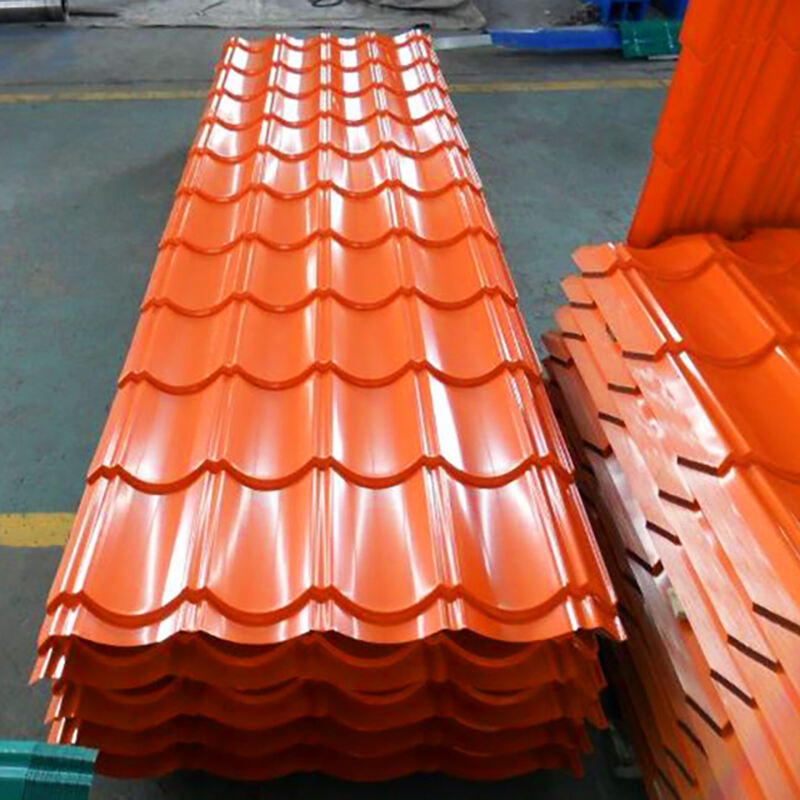
Цонхны хавтангууд: 3004-H44 загварыг үүрдүүлэх нь дэлхийн стандарт, зүүлт 1.5–3.0 мм, PVDF бүрхүүлтэй
Оройн системүүд: 3005/H24 нөхцөл, зүүлт 0.7–1.2 мм, урсгалын налтсыг тохируулах шаардлагатай
Дотоод хавтангууд: 1100-O нөхцөл, зүүлт 0.5–0.8 мм, талбайн түүшлүүлэх чанар ба гадаргуугийн бүрхүүлд анхаарах
Үйлдвэрлэлийн үйлдвэрлэл
Автомашиний бүтэц: 5083-H321, зүүлт 2.0–4.0 мм, циклд үүрдүүлэх хүч чухал
Цахилгаан дулааны хаялт: 1060/1070, өндөр дулаан дамжуулалт, зүүн талын зузаан 0.3–0.8 мм
Баглаажуулалтын материалын шаардлага: 8011/8021, зүүн талын зузаан 0.02–0.2 мм, хоолны чанарын шаардлага
Тусгай шаардлагат сценарууд
Хориг хийн орчин: 5-дугаар цувралын хавсаргын материал + аноджингоосон гадаргуу + давхар давхарга – гурван талт хамгаалалт
Өндөр отражив бүрхүүлийн шаардлага: 1-дугаар цувралын хавсаргын материал, чистота >99.6%, толь-гадаргууны бүрхүүл
Гал төөрүүлэх шаардлага: А2 ангилалын гал төөрүүлэх алюминий нөгөөсөн панель шаардагдах
III. Бүтэн амьдралын циклд харгалзан зардлыг оптимизацийн стратеги
1. Худалдан авах зардлын хяналт
Дундаж хэмжээний хөнгөлөлт: Нэг удаа худалдан авах хэмжээ 20 тоннаас илүү бол 5–8% хөнгөлөлт олгогддож
Ирээдүйн захиалга: Захиалгын үнэ 30 хоног урьдчилан баталдаж, зах зээлийн колебацийн нөлөөллийг бүрхүүлж
Хаягдмуйн ашиглалт: Хаягдмуйн хэмжээг багасгахын тулд холимог өргөн гүйцэтгэлтүүдийн худалдаа хийх дагуу зөрчилдөх.
2. Боловсруулалтын зардлын сүүлчийн оптимизаци
Хэлбэр үүсгэх чадварын тохируулалт: Гүн татаж хийгдсэн деталд O-темперын материалыг, хялбар нугаламуйн хувьд H14/H24-ийн материалыг ашиглана.
Холбогч холболтын үр дүн: 5-серийн ба 6-серийн хавсралтууд 2-серийн ба 7-серийн хавсралтуудаас илүү сайн холбогч холболтын үр дүн үзүүлдэг.
Урьдчилан боловсруулалт: Дараагийн боловсруулалтыг багасгахын тулд урьдчилан будагдсан цилиндрик материал худалдаж ава.
3. Амьдралын цикл удирдлага
Засвар үйлчилгээний зардал: PVDF будагдмуйн нэгж үнэ нь өндөр бөлгөө, гэтэд түүний 30 жилийн засвар үйлчилгээний зардал полиэстертэй харьцуулж 40% бага.
Давхар ашиглалтын үнэ цэнэ: Аллюминийн давхар ашиглалтын хувь 95%-аас илүү, цэвэр аллюминийн хавсралтууд нь түүнээс ч илүү үнэтэй давхар ашиглалтын үнэ цэнэтэй.
Энерги хэрэглээний нөлөө: Төрөлхийн фазын түүхий эдийн зүйлд зөвхөн 0.1 мм-ийн зүйлд зөрчилдөх нь ачаалалд орж буй хүчин зүйлийг 15%-иар нэмэгдүүлдэг.
IV. Нийлүүлэгчдийн үнэлэлт ба чанарын хяналтын гол цэвэр
1. Хүчинтэй баталгаажуулалтын дөрвөн түлхүүр элемент
Үйлдвэрлэлийн лиценз: Нийлүүлэгчдэд зүүд, халуун болон хүйтэн үлдээлт үйлдвэрлэлийн бүх процессын хүчинтэй баталгаажуулалт байдаг уу?
Чанарын систем: ISO9001/TS16949 (автомашин хэрэглээний хувьд) сертификатын баталгаажуулалтын статус.
Туршилтын чадвар: Лабораторид шууд уншмуйн спектрометр ба хучилтны зузааныг хэмжих багаж зүйлс байдаг уу?
Ажилласан бүтээл: Төстэй төсөлд дор хаяж 3 удаа нийлүүлж байгаа тохиолдлууд.
2. Ирж буй барааны шинжилгээний түлхүүр зүйлс
Материалын сертификат: Бүх партия химийн бүрдэлтүүн тайлан ба механик шинж чанарын тайлан агуулж должна.
Хэмжээний сүүдлүүрлүүр: Микрометр ашиглан зузааныг хэмжих (гурван цэгт), лазер ашиглан өргөн хэмжих.
Гадаргуугийн чанар: Бүтээлд натурал гэрлийн доор 1 метр зайд гадаргууг ажиглах; хараагүй дутагдал байхгүй.
Хучилтны туршилт: Хоёр давхаргын хуурай хучилтны зузаан ≥25 мкм, адгезион хөндлөн хайчлалт тестийн үнэлгээ 0-р зэрэг.
3. Аюулгүйжүүлэх арга хэмжээ
Давхардмал нийлүүлэлт: Их хэмжээний худалдан авахын өмнө анхны жижиг партийг шалгаж баталгаажуулна.
Дугуйлт дуурь: Хоёр тал хамтран дуурь дугуйлж, түүнийг хүлээн авах стандарт болгож ашиглана.
Даатгал хамгаалал: Нийлүүлэгчдээс бүтээгдэхүүний чанарын даатгал хангахыг шаардна.
V. Ирэх үеийн хандлага ба технологийн урьдчилан тодорхойлжүүлэх төвдүүр
Хөнгөн бүтээгдэхүүний новаторство: Агаарын онгоцны ангилалд зориулж хийгдсэн 7075 хавсралт металл өндөр түвшний үйлдвэрлэлд орж байгаа; түүний хүч 6061-тэй харьцуулж 40% илүү.
Оюун ухааны үйлдвэрлэл: Дижитал төрөлхийн технологи хувьсагчийн хөтлөх цуглуулмаас бүтээгдэхүүний бүтэн хүртэл виртуал бүтээлд симуляци хийх боломж олгож, туршилт-алдаа хийх зардлыг бүүр бууруулж байгаа.
Ногоон хувирал: Усны цахилгааны алюминийн нүүрсний цахилгааны алюминийнхойс харьцуулж 75% бага нүүрстөрөлдүүр илүүц (carbon footprint) үүсгэдэг; орчинд нь сайн нөлөө үзүүлдэг бүтээгдэхүүний үнэ 8–12% илүү.
Холимог хөгжил: Гурван давхаргат алюминий-пластик-алюминий холимог бүтэц хүчийг хадгалж, жинг 30% бууруулж байгаа.
Мэргэжлийн зөвлөгөө ба шийдвэр гаргах зам
Приоритетуудыг тодруул: Шаардлагуудыг хатуу шаардлагууд (коррозийн төвөгтөй бүс, хүч), нэмэлт шаардлагууд (дүрсийн гоо, үнэ) ба хязгаарлалтууд (хүргэлтийн хугацаа, боловсруулалтын тоног төхөөрөмж) гэж ангил.
Гурван алхамт шалгах арга хэрэглэ: Лабораторийн туршилт → жижиг масштабт үйлдвэрлэл → туршилтын масштабт шалгах.
Зардлын загвар бүтээ: Худалдан авах зардлыг, боловсруулалтын алдагдалд, засвар үйлчилгээний зардлыг, ашиглалтын дараах үлдэгдлийн үнэлгээг нийтлэг тооцоол.
Техникийн гэрээ бүтээ: Түлхүүр параметрүүд, туршилтын арга, хүлээн авах стандартуудыг бүтээд бич.
Алюминий цилиндрийн сонголт нь техникийн ба эдийн засгийн шийдвэрүүдийн холимог юм. Зөв сонголт нь хэрэглээний нөхцөлүүдийн гүнзгүй ойлголтоос эхлэд, материалын онцлог шинжүүдийн нарийн мэдлэгт суурилд, бүх проектын амьдралын циклд утга-үнэнд максимум хүртүүлэд илэрхийлд. Материалын экспертийн хүмүүсийн шүүлтэнд оролцохыг, таамаглаж болошгүй факторуудад тулгарах үед 15% техникийн нөөц хадгалахыг зөвлөж буй.
 Халуун мэдээ
2026-03-24
2026-03-18
2026-03-13
2026-03-06
2026-02-25
2026-02-09
 EN
EN
 AR
AR NL
NL FI
FI FR
FR DE
DE HI
HI IT
IT JA
JA KO
KO PL
PL PT
PT RU
RU ES
ES TL
TL ID
ID SK
SK SL
SL UK
UK VI
VI HU
HU TH
TH TR
TR MS
MS BE
BE HY
HY AZ
AZ KA
KA LA
LA MN
MN KK
KK TG
TG UZ
UZ KY
KY